

How Long Does Asphalt Last in Arizona Heat?

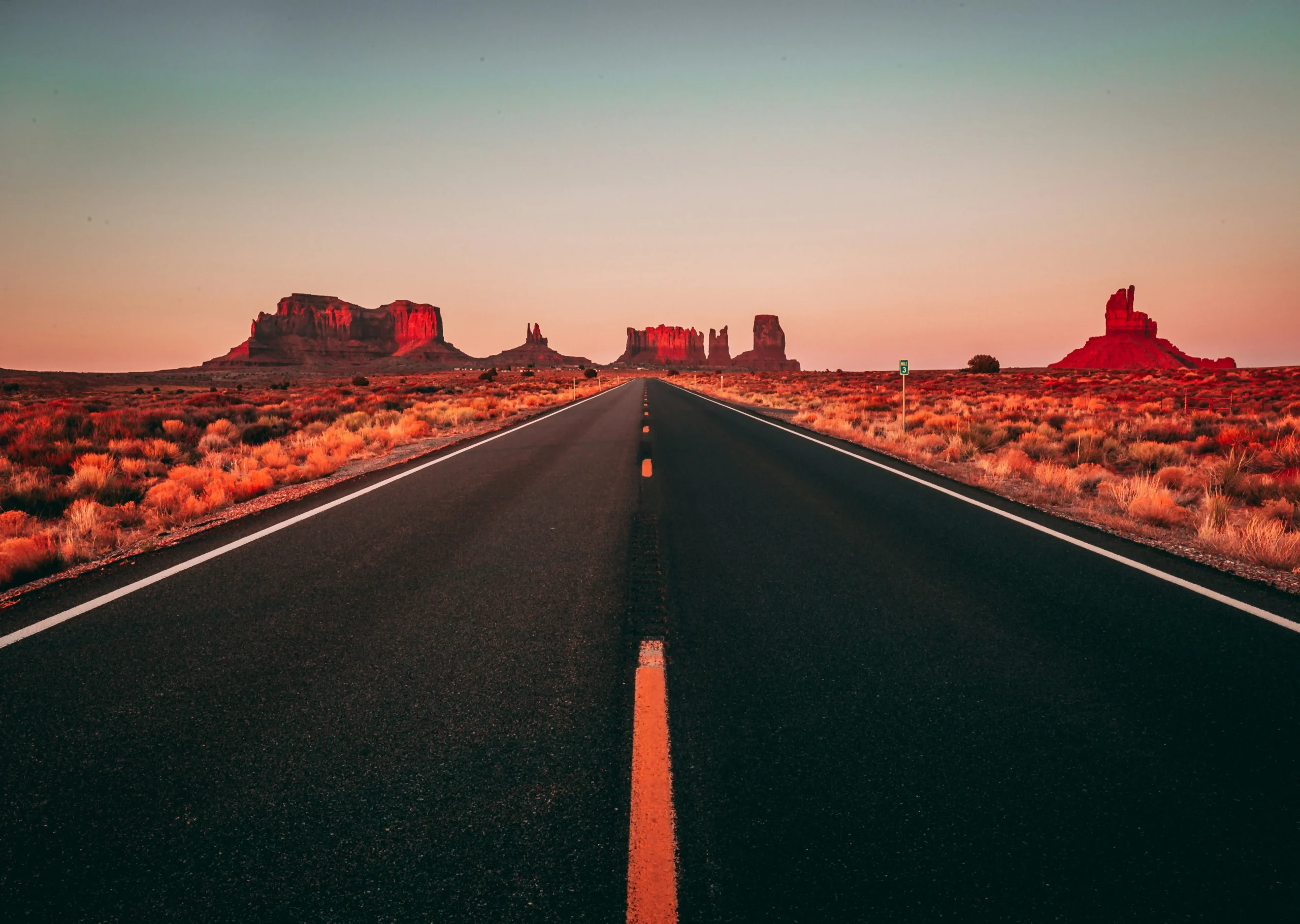
Arizona is one of the hardest environments on earth for asphalt pavement. Surface temperatures on a Phoenix parking lot can exceed 150°F on a summer afternoon. UV radiation delivers year-round oxidation damage with almost no seasonal relief. And monsoon season introduces the added threat of water infiltration into heat-stressed cracks.
So how long does asphalt actually last in Arizona? The honest answer: it depends entirely on how well it was built and how proactively it is maintained. A well-constructed, properly maintained commercial surface can realistically reach 15–20 years or more. A neglected surface in the same climate can fail in 7–10.
This guide breaks down exactly what Arizona’s climate does to asphalt, what factors most affect lifespan, and what a proactive maintenance strategy looks like for commercial properties in Phoenix and across the state.
The Real Enemy: What Arizona’s Climate Actually Does to Asphalt
Most property owners know Arizona heat is hard on asphalt. Fewer understand the specific mechanisms that drive deterioration — and that understanding is the difference between reactive repairs and a proactive strategy that stretches your investment.
1. UV Oxidation: The Accelerated Aging Process
Asphalt is held together by a petroleum-based binder. UV radiation breaks down the chemical bonds in that binder, causing what’s known as oxidation — the same process that turns a black parking lot gray. As the binder degrades, the surface loses flexibility and becomes brittle. Cracks form. Aggregate loosens. The surface begins to ravel.
In milder climates, this oxidation process takes years to become visible. In Phoenix, where UV radiation is nearly year-round and intense, it happens significantly faster. That graying surface isn’t just cosmetic. It’s a structural warning sign.
For a technical overview of asphalt binder chemistry and oxidation, the National Asphalt Pavement Association (NAPA) maintains detailed research on pavement performance across climate zones.
2. Thermal Cycling: Expand, Contract, Crack
Phoenix asphalt expands during 115°F days and contracts during cooler nights — a temperature swing that can exceed 40°F in a single day. This constant thermal cycling creates stress fractures across the surface over time. Heavy vehicles traveling over softened pavement during peak heat hours accelerate the process, leaving rutting, shoving, and permanent deformation.
| Phoenix summer | Surface asphalt temps: 150–160°F |
| Daily temp swing | 30–40°F (day to night) |
| UV days per year | 300+ days of direct sun exposure |
| Monsoon season | June–September: water infiltration risk |
| Recommended sealcoat | Every 2–3 years in Arizona climate |
3. Monsoon Season: Water in the Worst Possible Places
Arizona’s monsoon season (June–September) introduces sudden, heavy rainfall into surfaces already compromised by heat and UV damage. Water infiltrates micro-cracks that formed during the dry season, then evaporates rapidly in the heat — expanding and contracting the crack with each cycle. Small surface cracks become structural failures faster in Arizona than in almost any other climate in the country.
The Arizona Department of Transportation (ADOT) manages over 6,500 miles of state highway subject to these same deterioration patterns — the same climate forces that affect every commercial parking lot in Phoenix.
How Long Does Asphalt Last in Phoenix? The Realistic Lifespan Breakdown
When we assess a commercial surface, one of the first things we look for is the color. A dark, rich surface has an intact binder. A gray or faded surface has already oxidized and is actively deteriorating. Sealcoating at the right stage — before widespread gray appears — is the single most cost-effective intervention available to property managers
in Arizona.
The national average lifespan for commercial asphalt is 20–25 years in temperate climates. In Arizona, that baseline is compressed by the environmental factors described above. Here is a realistic breakdown for commercial surfaces:
| Maintenance Level | Expected Lifespan | Key Characteristics |
|---|---|---|
| No maintenance | 7–10 years | Early cracking, oxidation, base failure |
| Reactive only | 10–14 years | Patching after failure, inconsistent protection |
| Proactive program | 15–20 years | Regular sealcoat, crack sealing, timely repairs |
| Best practice | 20+ years | Full maintenance program + proper original install |
The difference between a 10-year surface and a 20-year surface is rarely the quality of the original installation. It’s the maintenance program — or absence of one.
5 Factors That Most Affect Asphalt Lifespan in Arizona
1. Quality of the Original Installation
Base preparation is everything. A properly graded, compacted sub-base with appropriate drainage prevents the water infiltration and base failure that ends pavement life prematurely. Asphalt installed over an inadequate base will fail regardless of how well it is maintained. This is why Valor begins every commercial project with a site assessment — before any material is laid.
See: Valor Pavement — Commercial Asphalt Paving
2. Mix Design and Material Specification
Not all asphalt is formulated equally. Hot mix asphalt designed for high-temperature climates uses harder binder grades (typically PG 76-16 or PG 70-10 in Arizona) that resist softening and rutting under extreme heat. Using the correct binder grade for Phoenix conditions is a non-negotiable element of a quality install.
The Federal Highway Administration (FHWA) provides guidance on performance-graded (PG) binder selection for high-temperature environments.
3. Sealcoating Timing and Frequency
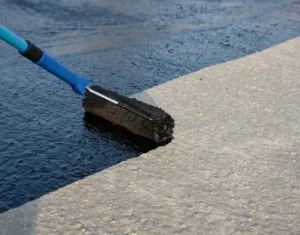
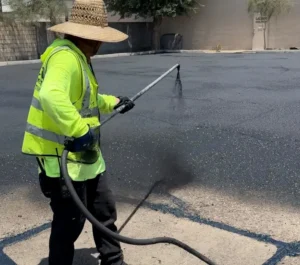
Sealcoating is the single most impactful ongoing maintenance intervention for Arizona asphalt. Applied every 2–3 years, a quality sealcoat creates a barrier against UV oxidation, water infiltration, and fuel/oil damage. The critical variable is timing — sealcoating a severely oxidized surface is far less effective than maintaining a surface proactively before advanced deterioration sets in.
See: Valor Pavement — Sealcoating Services
4. Crack Sealing Response Time
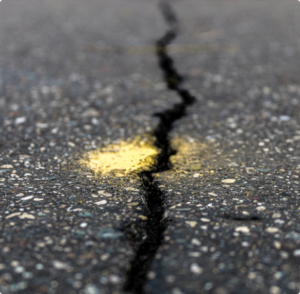
A crack left unsealed in Arizona has a very short window before it becomes a structural problem. Water infiltrates during monsoon season. The base softens. The crack widens. What started as a $0.50-per-linear-foot crack seal becomes a $4–$8-per-square-foot patching job, or worse, a full-depth repair. Addressing cracks within the first season of appearance is the most cost-effective decision a property manager can make.
See: Valor Pavement — Crack Sealing
5. Traffic Load and Usage Patterns
Commercial surfaces carrying regular heavy truck traffic — delivery vehicles, garbage trucks, fuel tankers — deteriorate faster than lightly trafficked parking lots. Surface temperature compounds the impact: pavement that softens to 150°F+ is significantly more vulnerable to rutting and deformation under heavy axle loads. Designing the pavement thickness appropriately for anticipated traffic is critical at the installation stage.
The Arizona Asphalt Maintenance Calendar
For commercial property managers in Phoenix, here is a practical annual framework for protecting pavement investments:
| October – March | Optimal window for sealcoating, crack sealing, and major paving work. Cooler temps allow proper curing. Schedule proactive maintenance during this window. |
| March – May | Pre-summer inspection. Identify any cracking or surface deterioration before heat season. Address any findings before monsoon season arrives. |
| June – September | Monitor for monsoon-season water infiltration. Mark cracks and deterioration for post-monsoon response. Avoid major paving during peak heat if possible. |
| September – October | Post-monsoon assessment. Address any new cracking or base damage before winter. Prioritize repairs for the upcoming fall maintenance window. |
October through March is the priority maintenance window for Arizona pavement. Cooler temperatures allow sealcoats and crack sealants to cure properly, adhesion is better, and crews can work longer hours. Property managers who schedule proactive maintenance during this window consistently see better long-term performance and lower total cost of ownership.
Warning Signs Your Arizona Asphalt Needs Attention Now
Surface cracks less than 1/4-inch wide are prime candidates for crack sealing — the most cost-effective intervention available. Once cracking reaches alligator pattern or potholes develop, the cost of repair multiplies 5–10x compared to early-stage maintenance. Arizona’s climate gives you less time between detection and action than almost any other state.
If you manage commercial pavement in Phoenix and are seeing any of the following, the clock is running:
- Gray or faded surface color — indicates oxidation of the binder; sealcoating window may be closing
- Surface raveling — loose aggregate coming free from the surface; binder is failing
- Longitudinal or transverse cracking — thermal stress; needs crack sealing before monsoon season
- Alligator (fatigue) cracking — base failure; patching or full-depth repair required
- Rutting or shoving in wheel paths — binder softening under heat and load; mix design or thickness issue
- Standing water or poor drainage — accelerates all other deterioration mechanisms
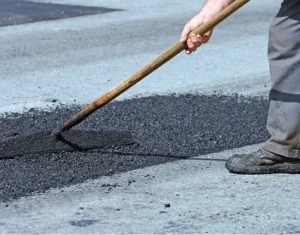
- Potholes — advanced stage failure; requires immediate patching to prevent expansion
The Valor Pavement Approach to Arizona Asphalt Longevity
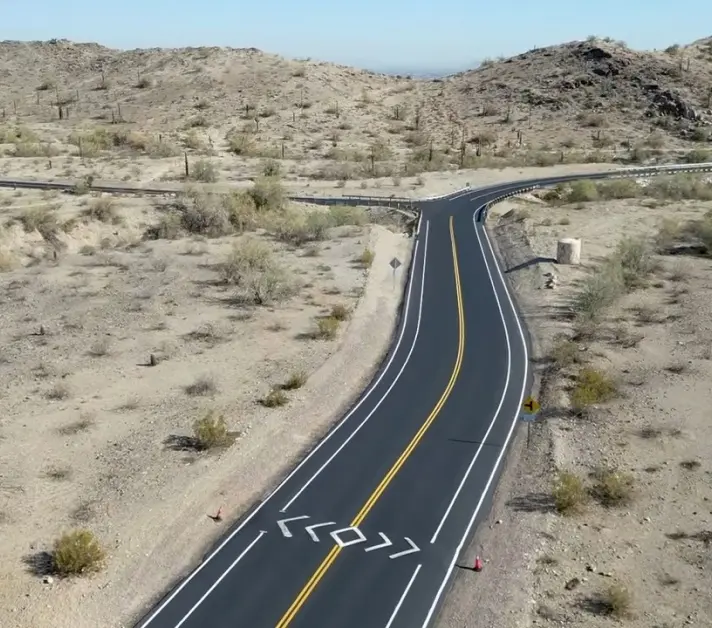
Valor Pavement Solutions is a veteran-owned commercial paving contractor headquartered in Phoenix, Arizona. Every project — from a new parking lot installation to a crack sealing program across a commercial portfolio — is approached with the same framework: assess honestly, recommend appropriately, execute precisely.
Our team holds ROC licenses #362061 and #358033, is fully bonded and insured, and serves commercial, municipal, and industrial clients across Arizona including Phoenix, Scottsdale, Mesa, Chandler, Gilbert, Tempe, Glendale, Peoria, Goodyear, Tucson, Flagstaff, and Yuma.
Our Arizona Asphalt Services
- Commercial asphalt paving and installation
- Asphalt resurfacing and overlay
- Sealcoating (2–3 year program recommended for Arizona)
- Crack sealing and routing
- Pothole and patch repair
- Asphalt milling
- Grading, excavation, and site prep
- Parking lot striping and ADA compliance
If you’re managing a commercial surface in Phoenix or anywhere in Arizona and want an honest assessment of its current condition, contact Valor Pavement Solutions for a free site evaluation. We’ll tell you exactly what your surface needs — and what it doesn’t.
Key Takeaways
1. Arizona’s extreme UV exposure, heat, and monsoon season create the most demanding pavement environment in the continental US.
2. Commercial asphalt in Phoenix realistically lasts 15–20 years with a proactive maintenance program — and 7–10 years without one.
3. Sealcoating every 2–3 years is the highest-ROI maintenance intervention available for Arizona property managers.
4. Crack sealing on detection is exponentially cheaper than reactive repair after base failure.
5. October–March is the optimal window for all major pavement maintenance in Phoenix.
6. Material and base quality at installation directly determine the ceiling of any surface’s achievable lifespan.
Frequently Asked Questions
Commercial asphalt in temperate climates typically lasts 20–25 years with normal maintenance. In Arizona, the combination of extreme UV exposure, thermal cycling, and monsoon-season water infiltration compresses that window. With a proactive maintenance program, Arizona commercial asphalt can realistically achieve 15–20 years. Without maintenance, failure can occur in 7–10 years.
explore our recent