

Asphalt Maintenance Plan for Arizona Properties

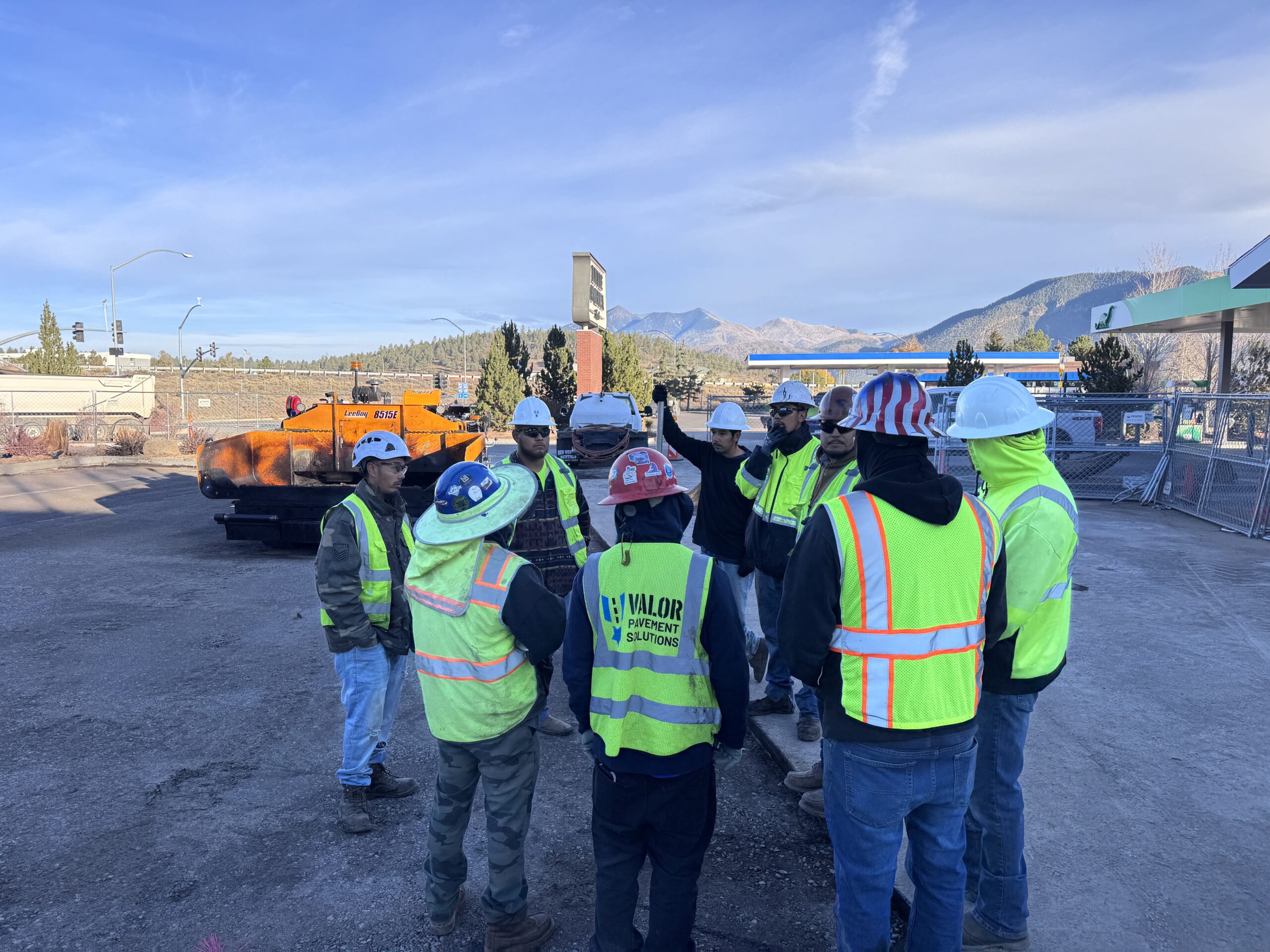
For property managers in the Southwest, asphalt isn’t a “set it and forget it” asset. The intense Arizona sun, combined with monsoon floods and heavy commercial traffic, creates a recipe for rapid pavement degradation. Without a structured asphalt maintenance plan in Phoenix, a minor crack today can become a costly structural failure tomorrow.
At Valor Pavement, we advocate for a proactive approach. Investing in preservation early can extend your pavement’s life by up to 20 years and reduce total lifetime costs by nearly 50%.
Why a Reactive vs. Proactive Asphalt Maintenance Plan Matters
Most owners wait until they see a pothole to call a contractor. This is reactive maintenance, and it’s the most expensive way to manage a property. Data shows that preventive maintenance typically costs three times less than reactive repairs.
A proactive asphalt maintenance plan focuses on keeping the “good pavement good.” By sealing the surface before it oxidizes and filling cracks before water reaches the sub-base, you avoid the need for massive demolition and removal projects.
The 5 Pillars of an Effective Asphalt Maintenance Plan in Phoenix
To thrive in the Arizona climate, your maintenance strategy must include these five essential services:
1. Comprehensive Pavement Inspections
Every plan begins with a professional site walk. We identify drainage issues, oil spills that eat away at the binder, and early signs of “alligator cracking”, a primary indicator of structural fatigue.
2. Annual Asphalt Crack Sealing
Crack sealing is your first line of defense. In Phoenix, thermal expansion causes asphalt to shift. Professional crack sealing prevents water from infiltrating the base, which the Federal Highway Administration (FHWA) identifies as the #1 cause of potholes.
3. Cyclical Sealcoating Services
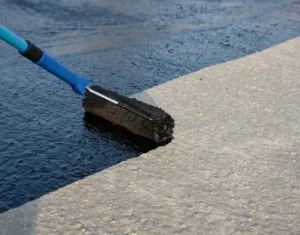
Think of sealcoating as sunscreen for your parking lot. It provides a sacrificial layer that absorbs UV radiation, preventing the asphalt from becoming gray and brittle. For Phoenix properties, we recommend sealcoating every 2–3 years.
4. Strategic Asphalt Patching
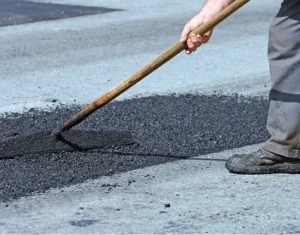
If a pothole does form, rapid asphalt patching is vital. Fixing a small area immediately prevents the damage from spreading to the surrounding healthy pavement and reduces liability risks from accidents.
5. Pavement Striping & Safety Compliance
A proactive plan isn’t just about the surface; it’s about safety. Faded lines are a liability. Regular pavement striping ensures your lot remains ADA-compliant and easy to navigate for customers.
The Arizona Asphalt Maintenance Calendar
Timing is everything when managing a property in the Valley. Here is how we schedule a typical asphalt maintenance plan in Phoenix:
- Spring (March – May): The ideal window for inspections and crack sealing before the summer extreme heat arrives.
- Summer (June – August): Best for major grading and excavation or new installations, provided work is scheduled to avoid the most extreme midday temperatures.
- Fall (September – November): The peak season for sealcoating. Moderate temperatures allow for the best curing and adhesion of the protective layer.
Long-Term ROI of Proactive Pavement Management
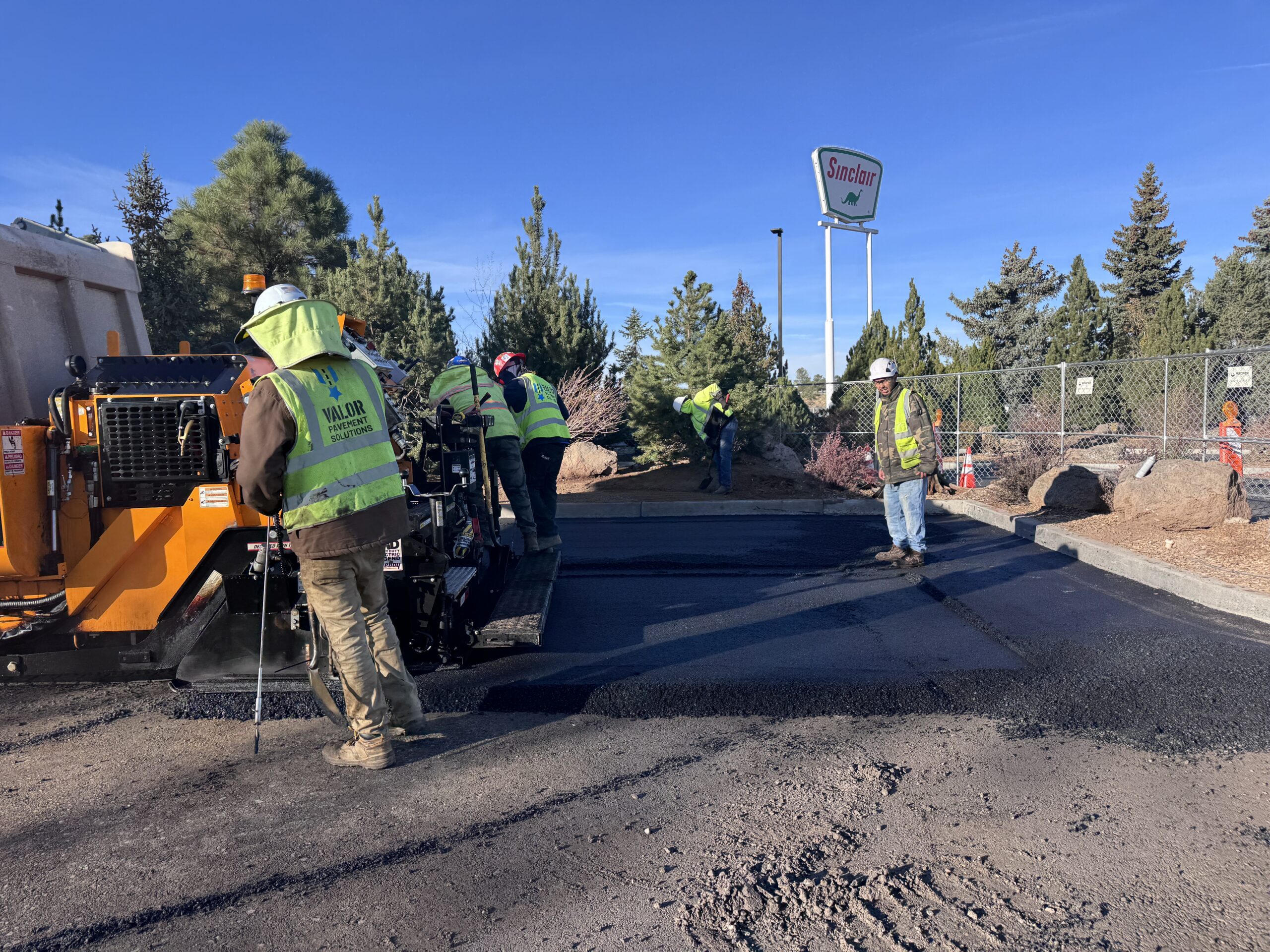
Data from the National Center for Asphalt Technology (NCAT) shows that spending $1 on timely maintenance saves $6 to $10 in future reconstruction costs. Beyond the numbers, a well-maintained lot boosts your retail business’s curb appeal and signals to tenants and customers that you value quality and safety.
Frequently Asked Questions Related to Asphalt Maintenance Plan in Phoenix
Commercial asphalt maintenance involves a series of preservation treatments designed to protect the pavement’s structural integrity. This includes regular sweeping to remove debris, annual crack sealing to prevent water infiltration, and applying a protective sealcoating layer every few years.
explore our recent