


5 Parking Lot Repair Signs That Need Immediate Action
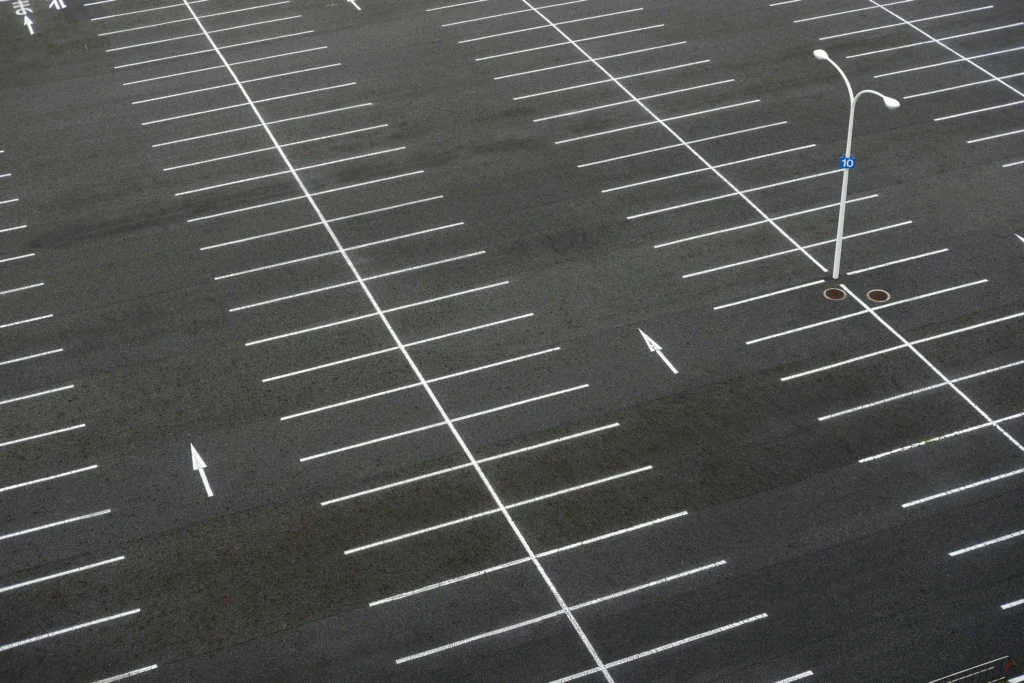
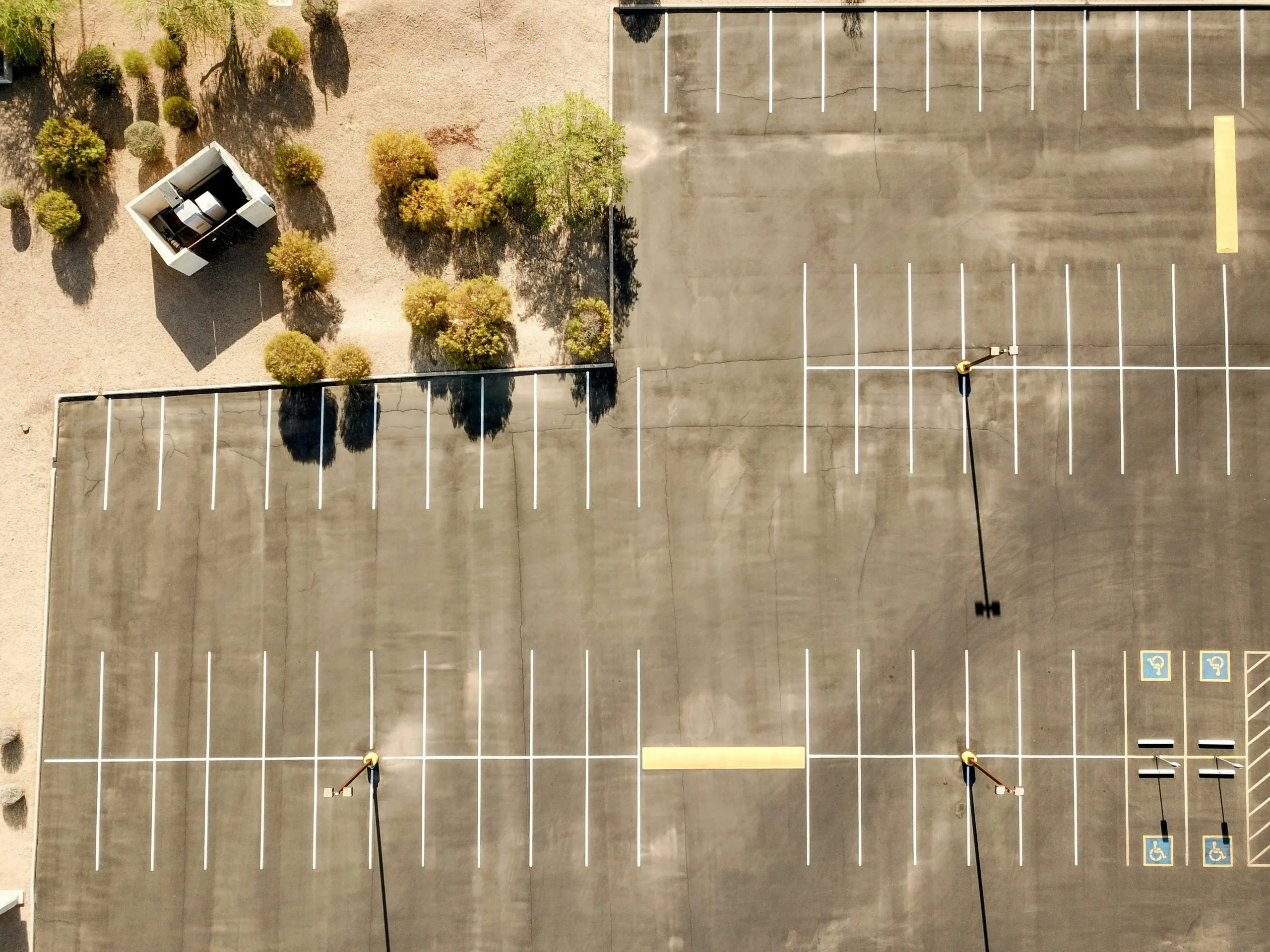
The five parking lot repair signs that require immediate action are alligator cracking, potholes or depressions, faded striping, standing water, and widespread surface raveling. Each points to a different failure mechanism and a different repair approach, from $0.15/sq ft sealcoating to $5-8/sq ft full-depth replacement.
Parking lot repair signs caught early keep repair costs low and prevent damage from compounding through the Arizona monsoon season and summer heat cycle. Phoenix commercial parking lots face peak summer surface temperatures of 150-165 degrees Fahrenheit, monsoon storms dumping 1-2 inches per hour, and UV degradation 300+ days per year. Valor Pavement Solutions assesses and repairs commercial parking lots across Phoenix metro year-round.
How to Tell If Your Parking Lot Needs Repair
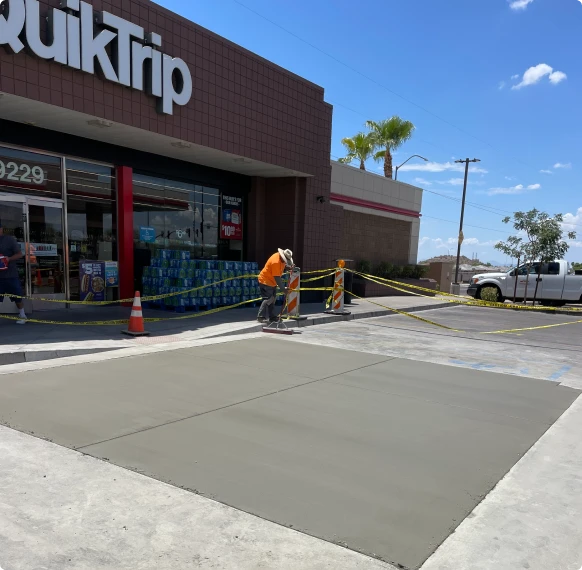
Parking lot repair signs are visible indicators of structural or surface deterioration. They tell a property manager the pavement has moved past routine maintenance into active failure. The five most common warning signs are alligator cracking, potholes, faded parking lot striping, standing water, and surface raveling. Each one traces to a different failure mechanism — sub-base collapse, binder oxidation, drainage failure — and each one calls for a different repair. FHWA pavement management research puts the ratio at $4-5 in future repair for every $1 of deferred maintenance. Commercial lots scoring below 55 on the 0-100 Pavement Condition Index typically require structural intervention rather than surface treatment. Property managers in Maricopa County and Phoenix metro can use these five signs as field-observable proxies for PCI decline — no specialized equipment required. The sign you find determines whether the lot needs crack sealing, asphalt patching, overlay, or full-depth replacement.
Sign 1: Alligator Cracking
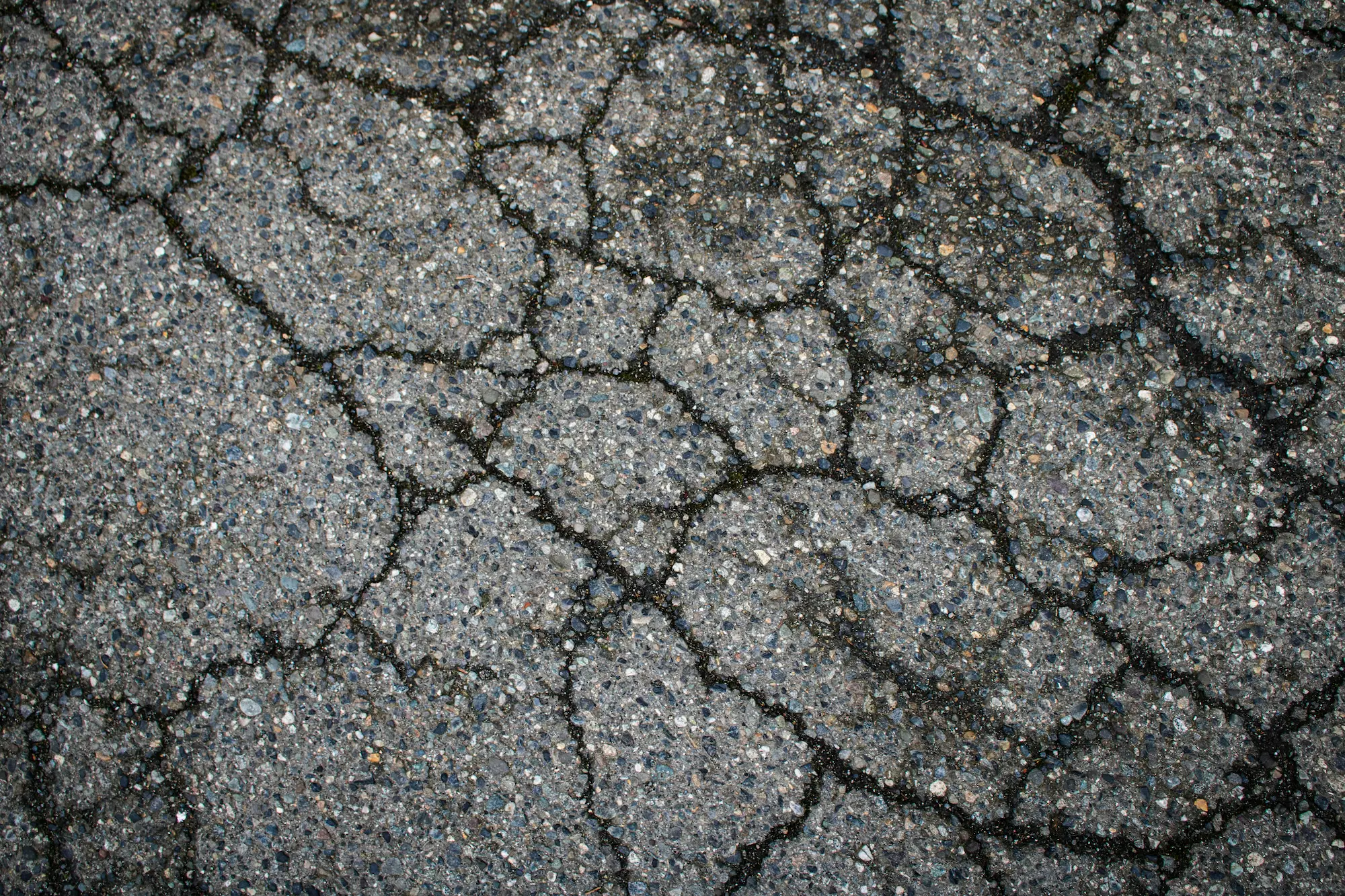
Alligator cracking is interconnected fracturing forming a pattern resembling reptile skin across load-bearing areas — wheel paths, drive aisles, and turning zones.
The root cause is sub-base failure. Crack sealing alone does not fix alligator cracking because the failure originates in the base, not at the surface. Full-depth patching removes and replaces both the failed base and surface layer.
Untreated alligator cracking progresses to potholes within 6-12 months in the Phoenix climate. Typical repair requires full-depth patching at $4-8/sq ft or an asphalt overlay at $2.50-4/sq ft. Crack sealing for retail parking lots addresses linear cracks before they reach this stage. See the severity comparison table below for how alligator cracking ranks against the other four parking lot repair signs.
Sign 2: Potholes or Depressions
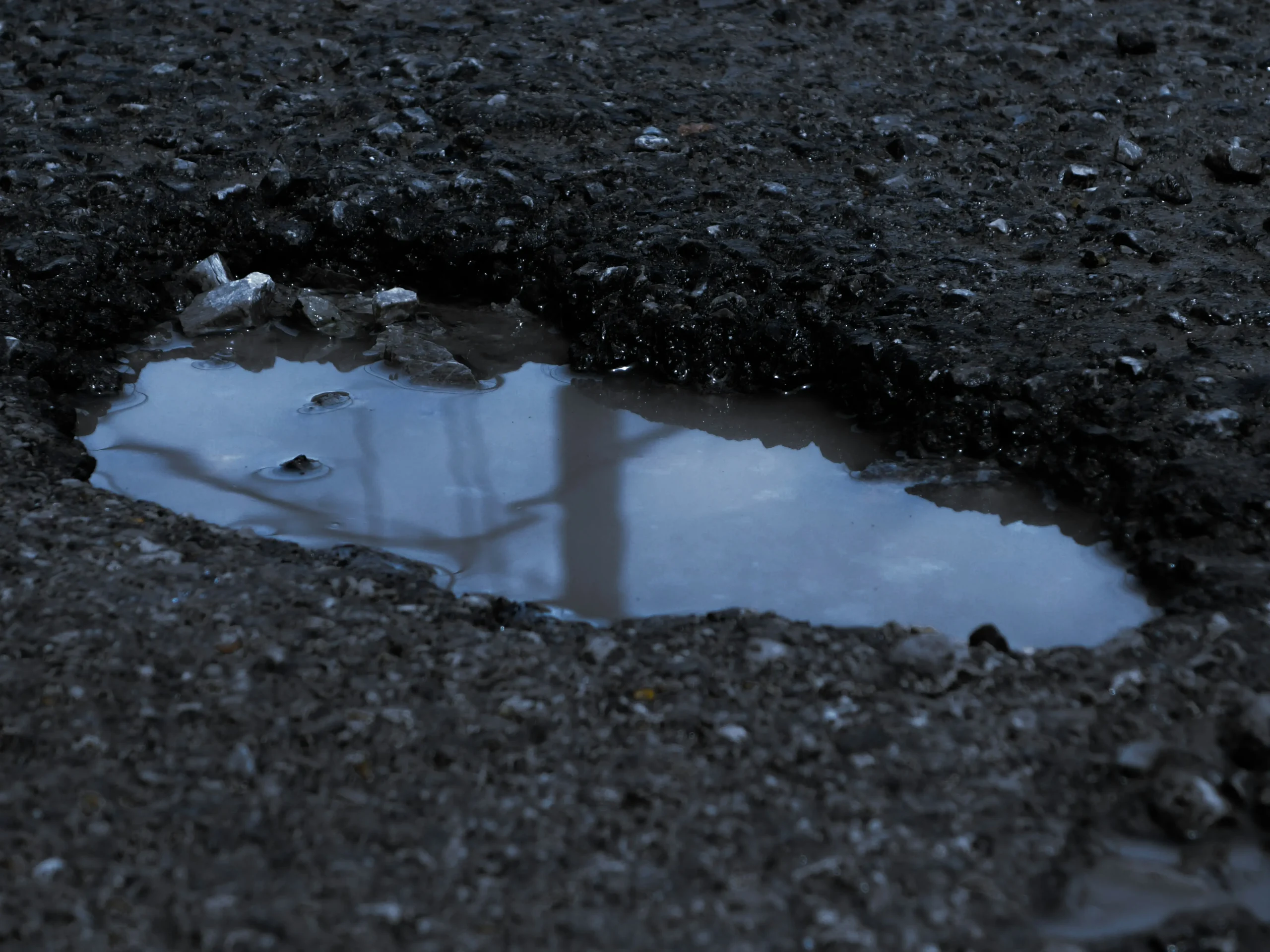
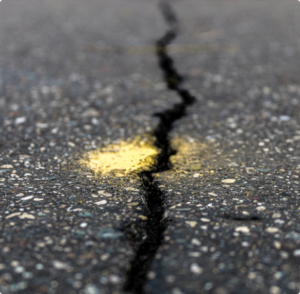
Potholes form when water enters unsealed cracks, erodes the sub-base, and the surface collapses under traffic load. Every pothole started as an unsealed crack.
Potholes in accessible routes violate ADA Standards for Accessible Design, Section 502. Defense costs run $10,000-$25,000 per ADA-related claim based on industry legal estimates.
The Arizona monsoon season (June 15-September 30) delivers 1-2 inches of rain per hour during severe cells, compressing base erosion from months to weeks.
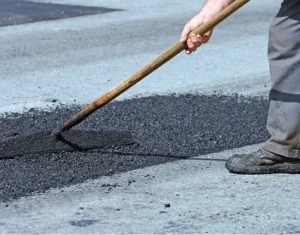
Asphalt patching for isolated potholes runs $3-6/sq ft. Infrared repair costs $4-7/sq ft. Full-depth replacement with base reconstruction costs $5-8/sq ft. All ranges reflect Phoenix metro, 2025-2026 pricing.
Sign 3: Faded or Invisible Striping
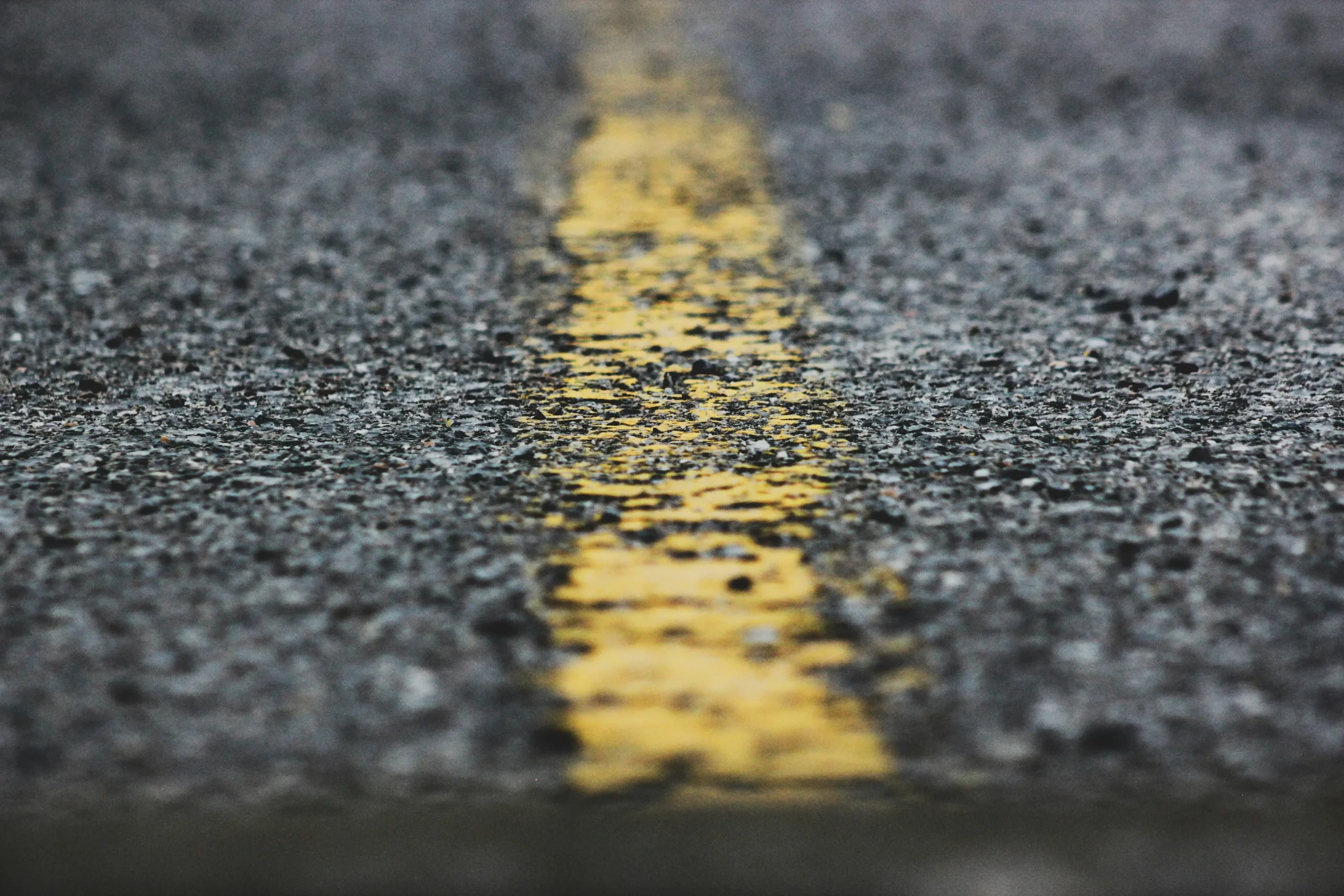
Standard traffic paint on a Phoenix commercial lot fades to near-invisible within 12-18 months. Higher-traffic retail and medical lots lose visible striping in 8-10 months under 299 days of sunshine per year — the highest sustained UV load of any major U.S. metro.
ADA requirements mandate visible accessible space symbols and access aisles under federal law. Fire lane markings carry fire marshal enforcement authority.
Thermoplastic striping holds 5-7 years in Phoenix conditions at $0.35-0.50 per linear foot. Latex traffic paint lasts 2-3 years at $0.15-0.25 per linear foot. Property managers weighing full lot replacement versus repair should also consider material differences between asphalt and concrete. Valor Pavement Solutions provides commercial parking lot striping as part of full-scope lot maintenance.
Sign 4: Standing Water and Poor Drainage
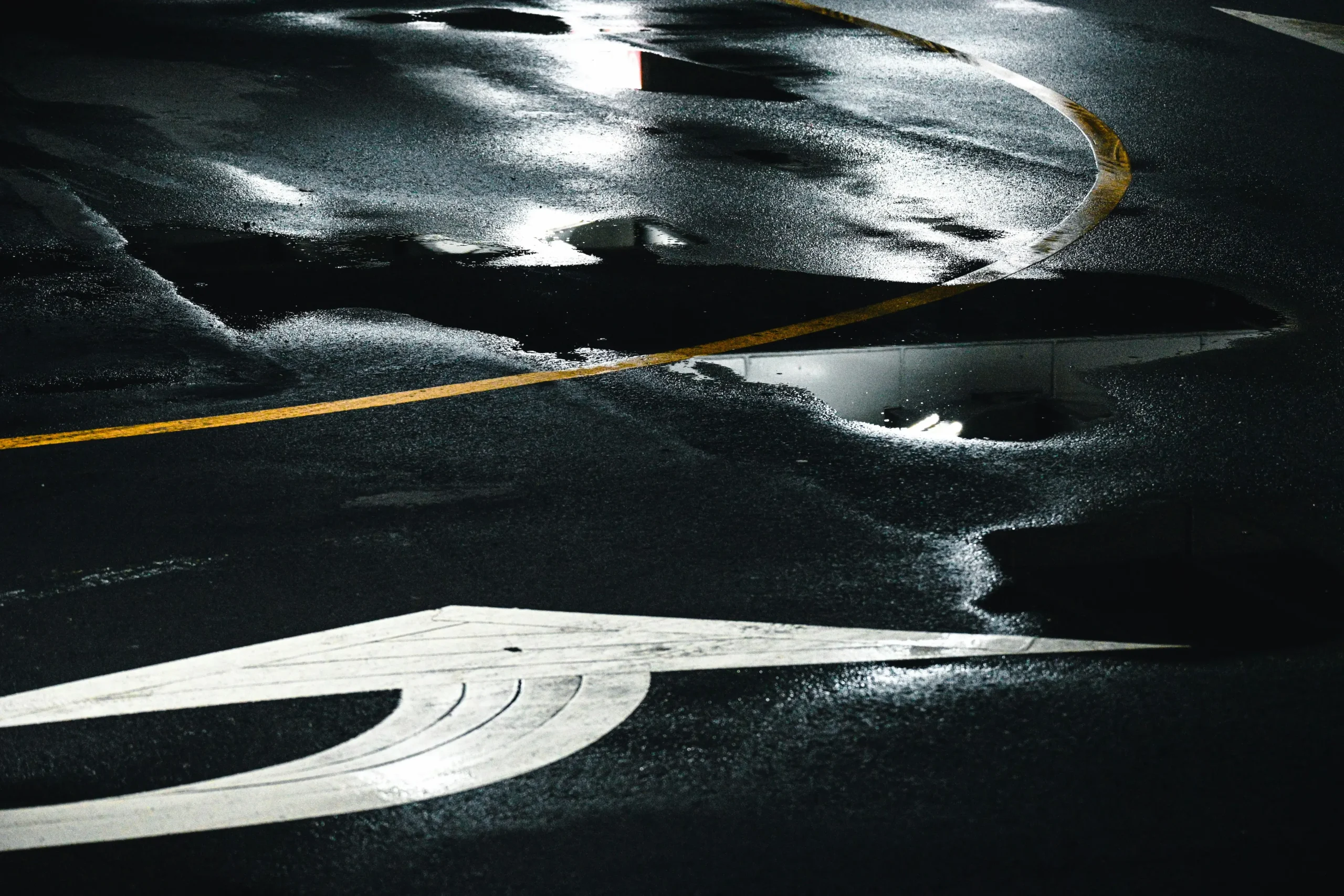
Standing water persisting 24-48 hours after rain indicates grading failure, surface deformation, or failed drainage infrastructure. It saturates the sub-base and weakens the load-bearing foundation.
Maricopa County’s caliche soil layer creates natural drainage barriers. A compromised lot holds water for days during the Arizona monsoon season, driving sub-base erosion that leads to alligator cracking and potholes.
Surface deformation repair requires milling and overlay at $2.50-4/sq ft. Grading failure needs base correction and repaving at $5-8/sq ft. Drainage infrastructure — catch basins, trench drains — is priced by project scope.
Sign 5: Widespread Surface Raveling
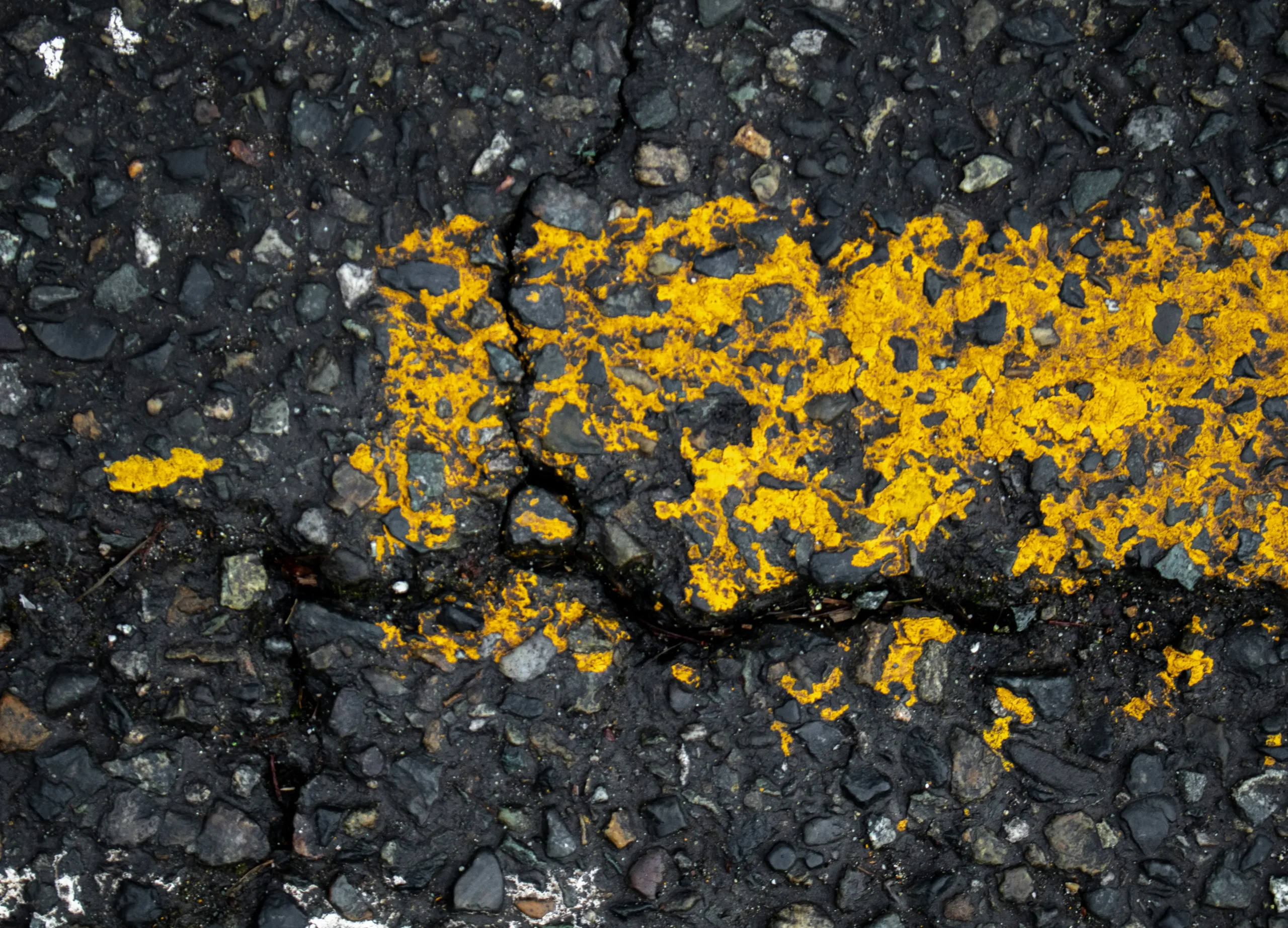
Surface raveling is the progressive loss of aggregate particles from the asphalt surface. Loose gravel collects at lot edges and individual stones dislodge under traffic.
The root cause is binder oxidation — the petroleum-based binder hardens and loses adhesive grip over time, accelerating above 130 degrees Fahrenheit surface temperature. Arizona lots exceed this threshold approximately 180 days per year.
Unprotected asphalt in Phoenix shows raveling within 3-5 years; sealcoated surfaces push that timeline to 7-10 years. Raveling is the earliest visible warning in the failure chain: aggregate loss exposes the base course, moisture intrusion starts, and potholes follow.
Early-stage raveling responds to sealcoating at $0.15-0.30/sq ft. Advanced raveling requires overlay at $2.50-4/sq ft. Severe raveling with base exposure demands full-depth replacement at $5-8/sq ft.
Parking Lot Damage Severity Comparison
Parking lot repair signs demanding immediate professional assessment include alligator cracking, potholes or depressions, faded striping, standing water, and widespread surface raveling. Each sign traces to a different failure mechanism and requires a different repair approach — from $0.15/sq ft sealcoating to $8/sq ft full-depth replacement. The table below ranks all five by urgency, cost, and timeline if ignored.
| Sign | Severity | Urgency | Typical Repair | Cost Range ($/sq ft) | Timeline If Ignored |
| Alligator Cracking | 5 – Critical | Immediate | Full-depth patching or structural overlay | $4-8 (patching), $2.50-4 (overlay) | Potholes within 6-12 months |
| Potholes or Depressions | 5 – Critical | Immediate | Asphalt patching, infrared repair, or full-depth replacement | $3-8 (varies by method) | Rapid expansion each monsoon season; liability claims immediate |
| Faded/Invisible Striping | 3 – Moderate | Within 30 days | Re-striping (thermoplastic or traffic paint) | $0.15-0.50/linear foot | ADA citations and fire marshal violations within 60-90 days |
| Standing Water | 4 – High | Within 2 weeks | Milling/overlay, regrading, drainage correction | $2.50-8 (varies by cause) | Accelerates all other damage types |
| Surface Raveling | 3-4 | Within 60 days (early) or immediate (advanced) | Sealcoating (early) or overlay (advanced) | $0.15-0.30 (sealcoat), $2.50-4 (overlay) | Base exposure and sub-base failure within 2-3 years |
What To Do When You Spot Parking Lot Repair Signs
Step 1: Document with date-stamped photos. Photograph each damage area with a reference object for scale. Date-stamped photos build a maintenance record for liability protection.
Step 2: Measure the affected area in square feet. Estimate the damaged zone as length times width. Contractor proposals require area measurements.
Step 3: Request a professional pavement condition assessment. A qualified contractor inspects the full lot, not just the visible damage. Valor Pavement Solutions provides free assessments for commercial parking lot properties across Phoenix metro — condition report, repair recommendations, and cost ranges included.
Frequently Asked Questions
A commercial parking lot needs repaving when alligator cracking covers more than 30% of the surface, widespread potholes point to base failure, or a professional assessment confirms structural deterioration below the repair threshold.
Lots scoring below 40 on the 100-point PCI scale typically need full-depth reconstruction. Lots scoring 40-55 may qualify for structural overlay. Arizona’s thermal cycling compresses the timeline — a Phoenix lot may need repaving at 15-18 years versus 20-25 in temperate climates.
explore our recent
blog & news articles
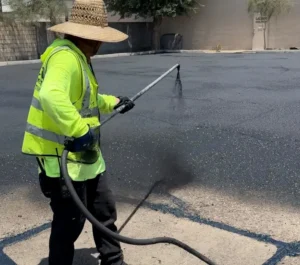
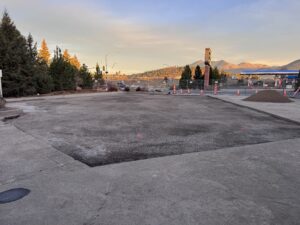

Valor Pavement Solutions repairs commercial parking lots across Phoenix metro. Maricopa County ROC #362061 / #358033 licensed. Veteran-led crew, military accountability standards. Every assessment includes a full-lot walkthrough, damage documentation, and repair recommendations with cost ranges. Parking lot repair signs that cost $0.15/sq ft to address today cost $5-8/sq ft after one more monsoon season. Request a free pavement condition assessment from Valor Pavement Solutions.
Request a Quote